Essay 2
Food Cultures of Japan and Korea
To start with, one significant difference appears in ingredients and cooking methods. In early Japanese history, Buddhism reduced the consumption of meat and emphasized the use of fish and vegetables. Later, during the Edo period (1603-1868), Japan’s isolationist policies promoted a unique culinary tradition that valued seasonal ingredients, umami taste, and visually appealing presentation (Zhen, 2023). As a result, Japanese cuisine focuses on freshness, using seafood and vegetables with light seasoning to preserve the natural taste of food. Conversely, Korean cuisine features fermented foods with strong spices like kimchi to make the dishes more flavorful.
Food is a key part of every culture, reflecting people’s history, environment, and lifestyle. Both Japan and Korea are East Asian countries with rich histories and distinct food traditions. Although their locations are close and share some similarities, their food cultures have developed unique characteristics. In this essay, I will compare the food cultures of Japan and Korea in terms of ingredients, cooking methods, utensils, and common dishes.
_jfif.jpg)
Korean dishes
Japanese dishes


lightly seasoned
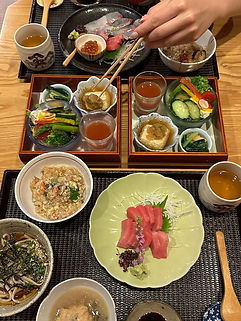
Japanese set meal
fermenting kimchi
with spicy sauce
As for cooking methods, the Japanese style uses simple techniques. For example, Japanese cuisine uses little oil and lots of water for steaming, stewing or boiling. Korean cooking, on the other hand, involves more complex seasoning to make the flavor richer. Moreover, the preference for strong flavors in Korea has deep historical roots. Koreans use ingredients such as garlic, ginger, and cinnamon to add mild heat and enhance the taste of food. These spices not only provide a subtle warmth but also help preserve ingredients by reducing unpleasant smells and preventing food from spoilage (Buldak, 2025).


Korean traditional food
Tteokbokki
Another difference can be seen in the utensils they use while dining. According to my traveling experience, It is customary to use wooden chopsticks and meals are commonly served in individual bowls or plates as a set in Japan. Dishes are served separately so that each person can receive food suited to their own tastes and health needs. This style of serving also helps maintain a balanced diet as portions are arranged thoughtfully, preventing people from focusing only on their favorite items or overeating. By dividing food into small dishes, the meal becomes both personalized and nutritionally balanced (Miko, 2024). However, the dining experience in Korea is totally different from that in Japan. In Korea, they use metal chopsticks, and the dishes are often placed in the middle of the table to share with everyone. This setup makes the meal feel vibrant and festive. In many Korean restaurants, these side dishes are served automatically without needing to order and are usually free to refill. Additionally, some tables include a shared grill, allowing diners to cook and enjoy meat collectively, further reinforcing the communal aspect of the meal (Choi, 2025).
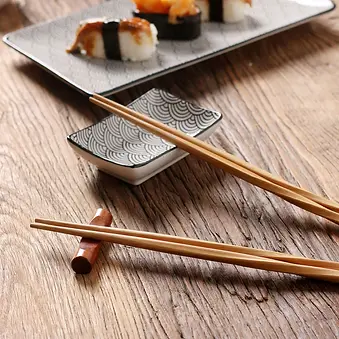
wooden utensils (Japan)

metal utensils (Korea)


a set meal (Japan)
a shared grill (Korea)
Finally, notable differences can also be seen in their common dishes. Japanese dishes are typically balanced and visually appealing, often decorated with edible flowers or leaves. The common and representative dishes include sushi, miso soup, and tempura. In contrast, Korean dishes emphasize variety and strong flavors. One of the iconic meals is bibimbap, which consists of rice with various vegetables, meat, and chili paste on top. Also, the dishes are always served alongside many small side dishes, known as banchan.
.webp)
Japanese food plating
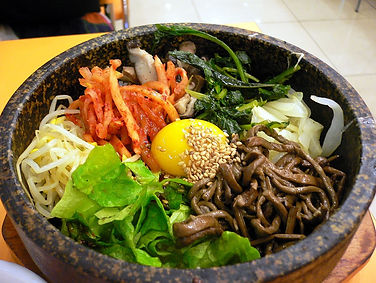
Korean bibimbap
In summary, the food cultures of Japan and Korea have some differences in ingredients, cooking methods, utensils, and common dishes. While Japanese cuisine value simplicity and freshness, Korean cuisine focuses on variety. Overall, these food cultures not only represent different ways of cooking and eating but also show how food expresses the lifestyle of each country.
References
-
Zhen. (2023). Korean Food vs Japanese Food. A Love Letter to Asia.
https://alovelettertoasia.com/korean-food-vs-japanese-food/
-
Buldak. (2025, May 9). Korea’s spicy food history: from chili to Buldak Ramen Noodles. Buldak.com
-
Miko. (2024, April 19). Japanese Food Culture – The Meaning of Small Dishes and Separate Servings. Shoukakko Shoten.
-
Choi, K. (2025). Korean Food Culture: A Brief History. Kelly Loves.

